Who It's For — Logistics
The Pallet Business for Logistics and Supply Chain Professionals
You already speak the language: dock schedules, dunnage, throughput, load counts, vendor onboarding, net-30. Pallets are the one piece of the supply chain almost everyone touches and almost nobody studies.
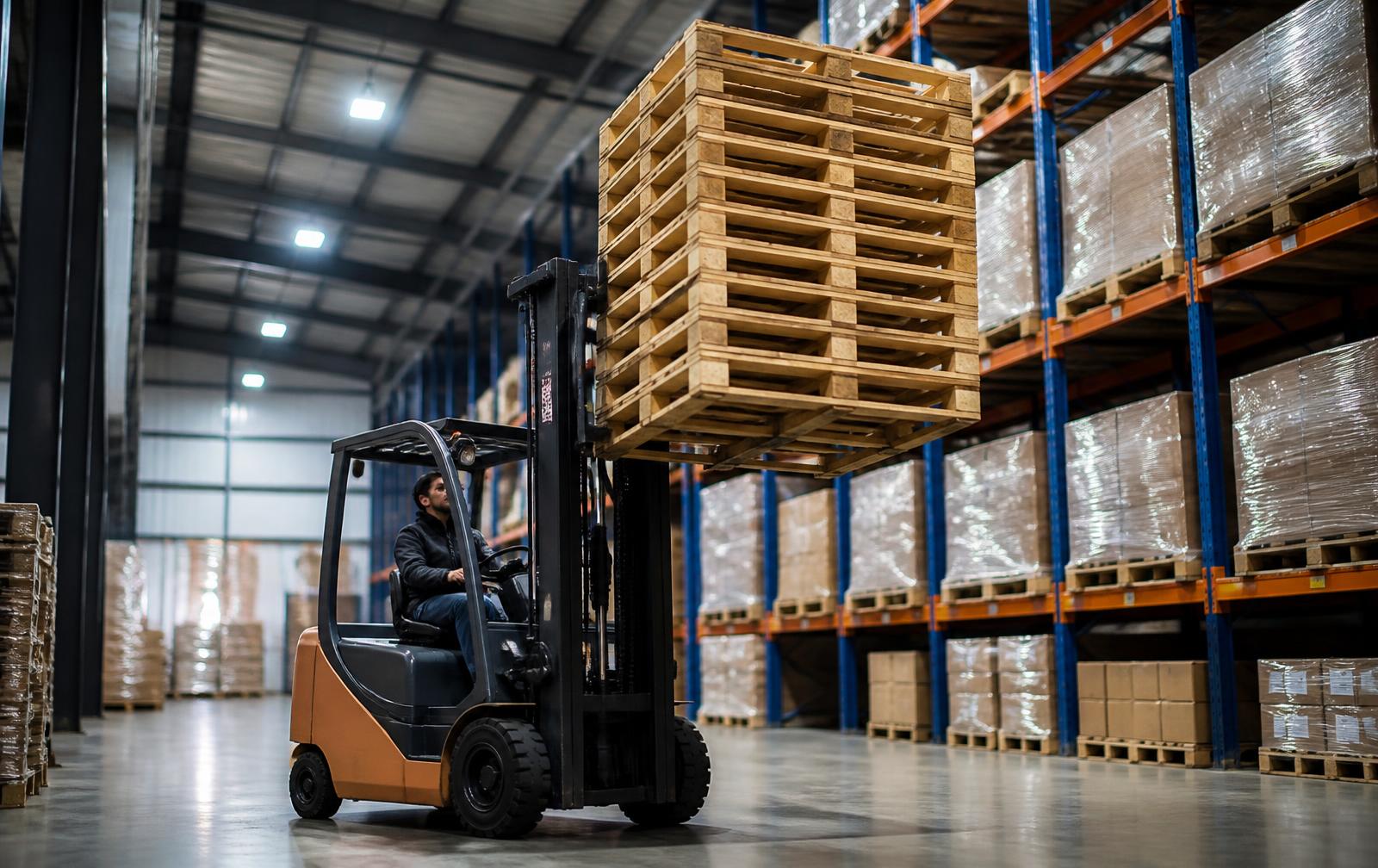
Why logistics people have a head start
You understand who inside a facility makes decisions, how a vendor gets approved, and why a plant manager cares more about dock congestion than about your price. Most new entrants spend a year learning what you already know.
You also understand seasonality, freight cost and the real economics of a truck moving a low-value-per-pound product. That prevents a lot of expensive optimism.
What the pallet market looks like from the inside
- Generators: importers, distribution centers, big-box receiving, food and beverage plants.
- Consumers: manufacturers, co-packers, growers, exporters, third-party logistics providers.
- Middle layer: recyclers, sort yards, repair operations and haulers who balance the two.
- Product spec: size, grade, condition, heat treatment and repair standards.
Turning knowledge into an operation
The transition is usually not about learning pallets — it is about learning to sell and to run a small asset-based business. Sourcing agreements, storage, cash cycle, labor and pricing discipline are where logistics professionals need the most structure, and that is the part the Academy focuses on.