Who It's For — Box Truck Owners
The Pallet Business for Box Truck Owners
You already own the asset most people entering the wood pallet business have to go rent, borrow or finance. A box truck with a liftgate is a pallet-moving machine. The question is not whether the truck can do the work — it's whether you understand the business the truck would be serving.
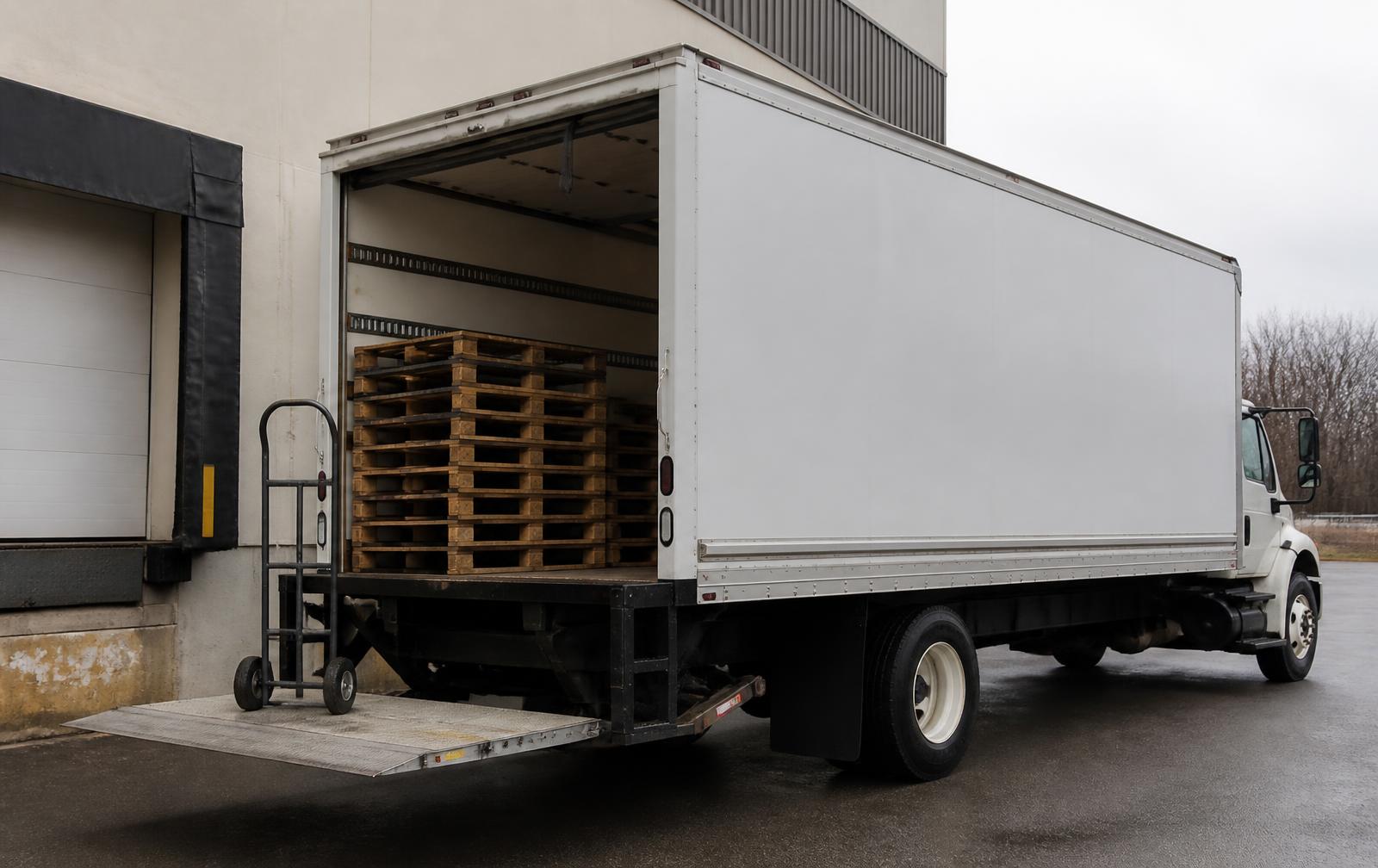
What a box truck actually changes
Most beginners spend their first months solving transportation. They are borrowing trailers, making four trips for one load, and turning down opportunities because they physically cannot move the pallets. If you already run a box truck, that entire category of problem is behind you before you start.
What you still have to learn is the commercial side: which businesses accumulate pallets, which businesses consume them, what a pallet is actually worth in your market, and how the pickup and delivery relationships get built and kept.
How pallet work fits a box truck operation
- Pallet pickups — scheduled removals from warehouses, manufacturers and distributors that generate pallets faster than they can use them.
- Pallet deliveries — moving sorted, graded pallets to businesses that need a steady supply.
- Backhauls and fill work — using pallet runs to make otherwise empty return legs productive.
- Route density — clustering pallet accounts near existing stops instead of driving your margin away.
- Recurring B2B accounts — the difference between a one-time load and a standing weekly pickup.
Realistic capacity, not internet math
A 26-foot box truck does not haul what a flatbed hauls. Stack heights, liftgate capacity, dock access and how pallets are banded all change how much you can move per trip. Part of learning the business is learning to quote work you can actually deliver on, and to say no to loads that would cost you more than they pay.
We teach you to model your own numbers using your truck, your fuel, your insurance and your local market — not a screenshot from someone else's business.
What to learn first
- Pallet sizes, grades and conditions so you can identify what is worth loading.
- How to research the manufacturers, warehouses and distribution centers in your service radius.
- How to approach a facility manager professionally and get a real answer.
- How pricing works for pickups, deliveries and per-pallet sales.
- How to build a route that pays instead of a schedule that runs you.
Frequently asked questions
Can you start a pallet business with a box truck?
Many people begin with a box truck. It handles stacked pallets well, a liftgate removes the need for a forklift on one end, and it is already legal, insured and on the road. Your limits are stack height, weight and dock access — which is why understanding load planning matters as much as owning the truck.
Do I need a forklift too?
Not to start. Many pickups happen at facilities that load you, and hand-stacking is common early on. A forklift or pallet jack becomes worth it as volume and yard space grow.
Will pallet work conflict with my existing box truck contracts?
That depends on your agreements and your capacity. Some owners run pallet work on slow days or around existing routes. Review your contracts and insurance before adding any new service.