Practical wood pallet guide
Pallet Business Equipment
The fastest way to lose money early is buying equipment before you have demand. This is what you actually need, in the order most operators actually need it.
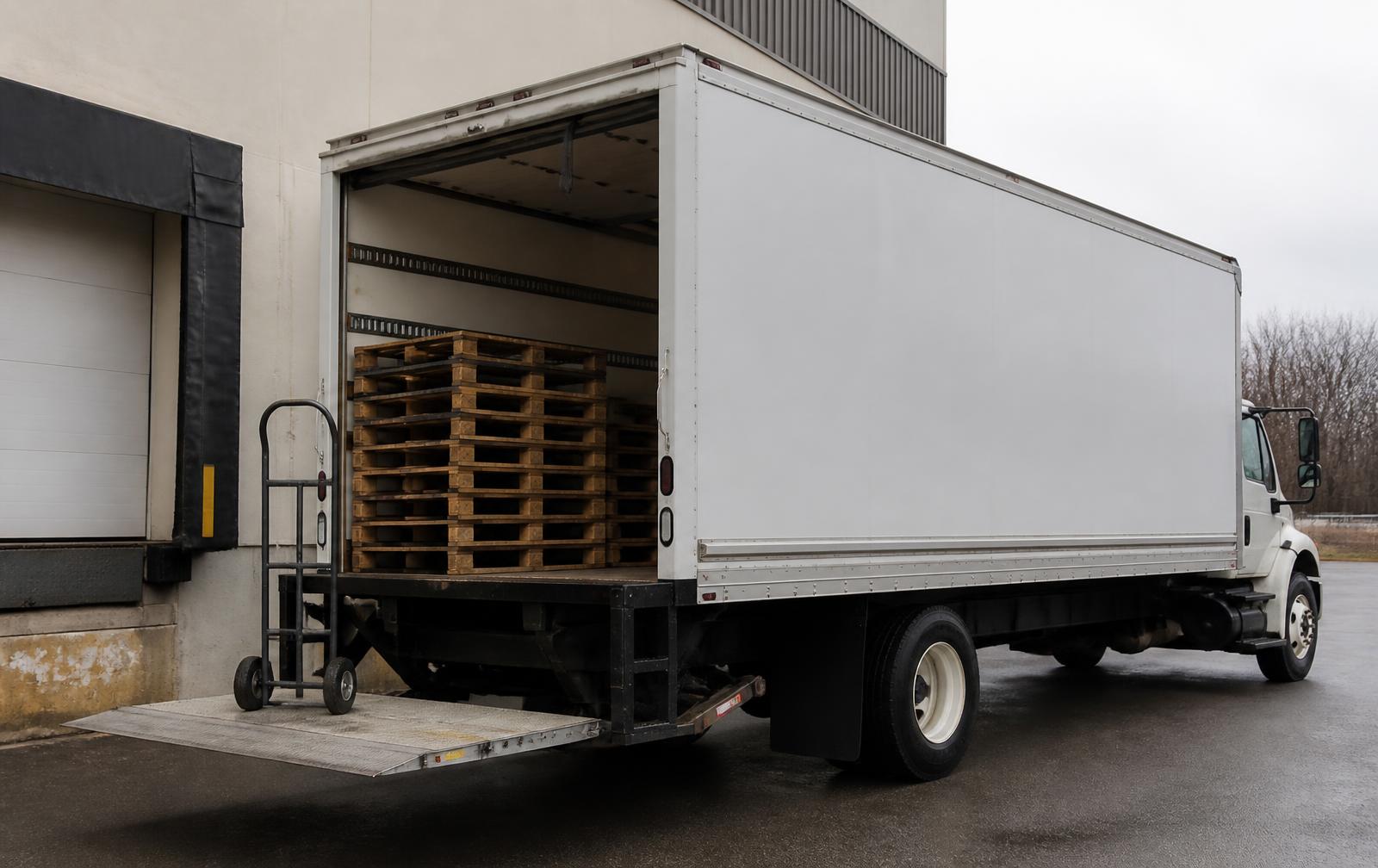
Transportation options
- Existing pickup and suitable trailer — evaluate rated payload, towing limits, securement and loading access; do not assume it is the cheapest or adequate option.
- Box truck with liftgate — strong all-around option; loads stacked pallets and handles docks.
- Flatbed — volume work, banded loads, oversize pallets.
- Hired hauling — pay per load until your own volume justifies a truck.
Handling and loading
- Heavy-duty gloves and steel-toe boots (not optional)
- Pallet jack for dock and trailer work
- Straps, load bars and banding for secure transport
- Forklift — valuable, but earn it with volume first
- Basic repair tools if you plan to refurbish: pry bar, nail puller, coil nailer
Storage and staging
You need somewhere legal and dry-ish to stage inventory by grade. Zoning, drainage and neighbor complaints are real constraints on outdoor pallet storage — check before you accumulate.
Business infrastructure people forget
- Commercial insurance appropriate to hauling and yard work
- Business entity, EIN and a business bank account
- Simple invoicing and a way to take payment
- A CRM or even a spreadsheet for accounts and follow-ups
- A phone number that gets answered
Match equipment to your operation size
- Research stage: use a phone, tape measure, notes and buyer/supplier conversations. No truck or inventory purchase is needed to validate demand.
- Small direct-transfer work: compare your existing safe transport with a hauling partner. Confirm who loads/unloads and quote the entire trip before agreeing.
- Recurring routes: track actual payload, handling time, mileage and frequency before comparing rented versus owned capacity.
- Sorting or repair yard: assess legal storage, material flow, maintenance, safe handling and demand before considering powered handling or repair equipment.
- Keep an equipment decision sheet: current constraint, evidence of recurring demand, total ownership cost, alternative and purchase trigger. Capacity is limited by vehicle ratings and safe loading, not an optimistic pallet count.
Watch: Equipment Checklist
Use this checklist alongside the guidance above. Confirm demand, loading arrangements and safe capacity before purchasing equipment.
Put the guidance into practice
- Essentials for Successful Site Visits
Prepare the five questions you will ask on your next site visit.
- Your editable launch plan — account required
Talk through your equipment questions
Bring your local findings, actual costs and unanswered questions to a free strategy call.
Book My Free Strategy CallIndividual results vary. Testimonials represent individual experiences and are not guarantees of future results. Pallet Pros Academy provides business education, not income promises.