Business Model
The Pallet Recycling Business
Pallet recycling is the part of the industry that turns a disposal problem into a supply chain. It is also the model with the clearest path from a truck and a yard to a real company.
How a recycling operation is structured
- Inbound — scheduled collection from generators, plus walk-in and hauler drops.
- Sort — separating by size, grade and condition on arrival.
- Repair — replacing boards and stringers to bring pallets back to a sellable grade.
- Outbound — selling graded pallets to manufacturers, distributors and other yards.
- Residual — scrap wood streams for mulch, fuel or fiber.
Why sorting is the whole business
Money is made or lost in the first thirty seconds a pallet is handled. Every pallet you touch twice costs you. Every unsellable pallet you transport is a load of paid-for waste.
Sorting standards are also what commercial buyers judge you on. A yard that ships consistent grades gets repeat orders; a yard that ships mixed junk gets one.
Space, equipment and compliance
- Yard space with drainage and room to stage stacks by grade
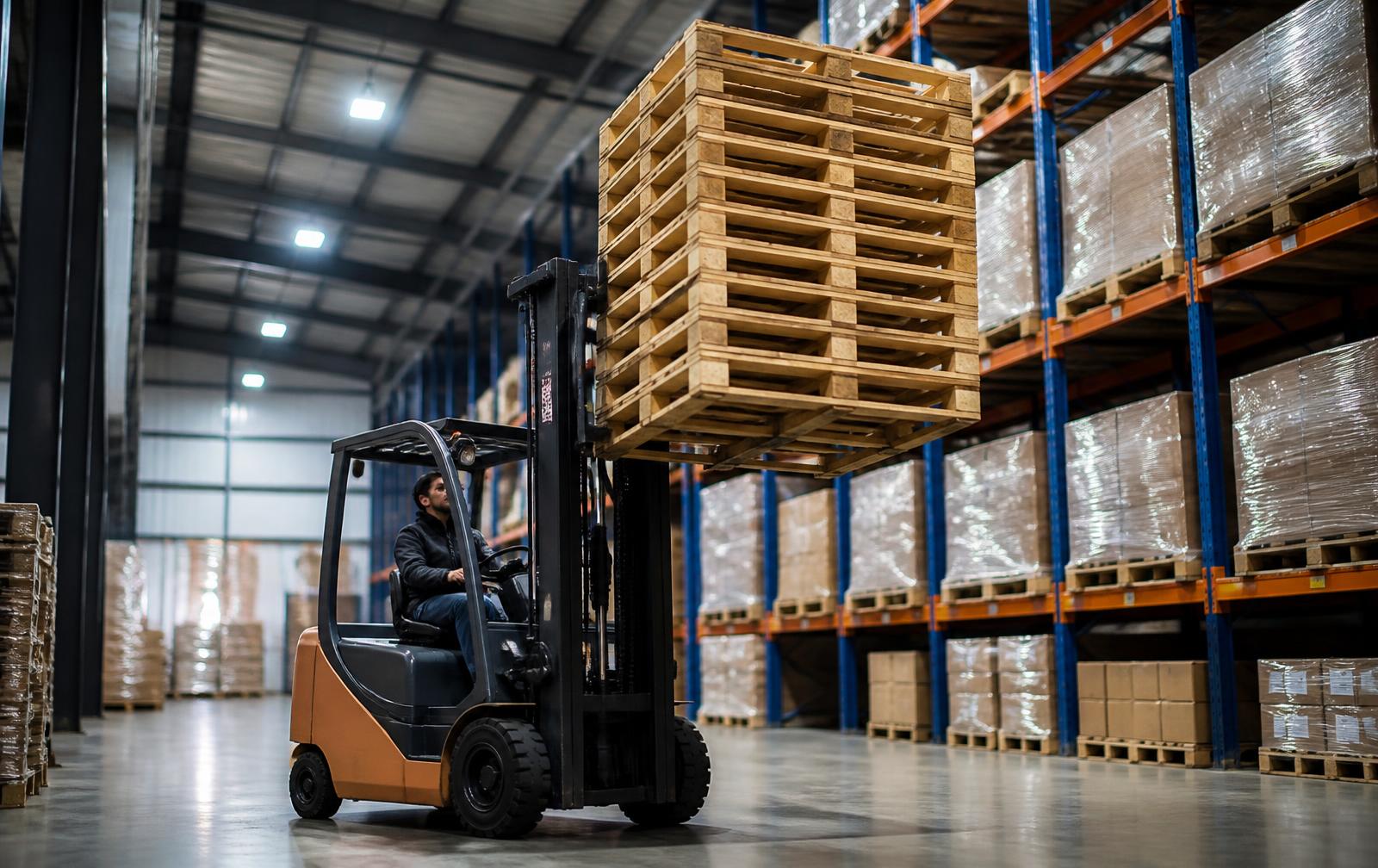
- A forklift or pallet jack once volume justifies it
- Banding equipment for outbound loads
- Local zoning, fire and stormwater considerations for outdoor storage
- Insurance appropriate to a commercial yard operation
Starting smaller than a yard
Most operators do not begin with a recycling yard. They begin with collection and resale, learn grades and buyers, then add space and equipment when inbound volume outgrows what they can move directly.